Commercial HVAC Ductwork and Airflow Problems We Actually Fixed
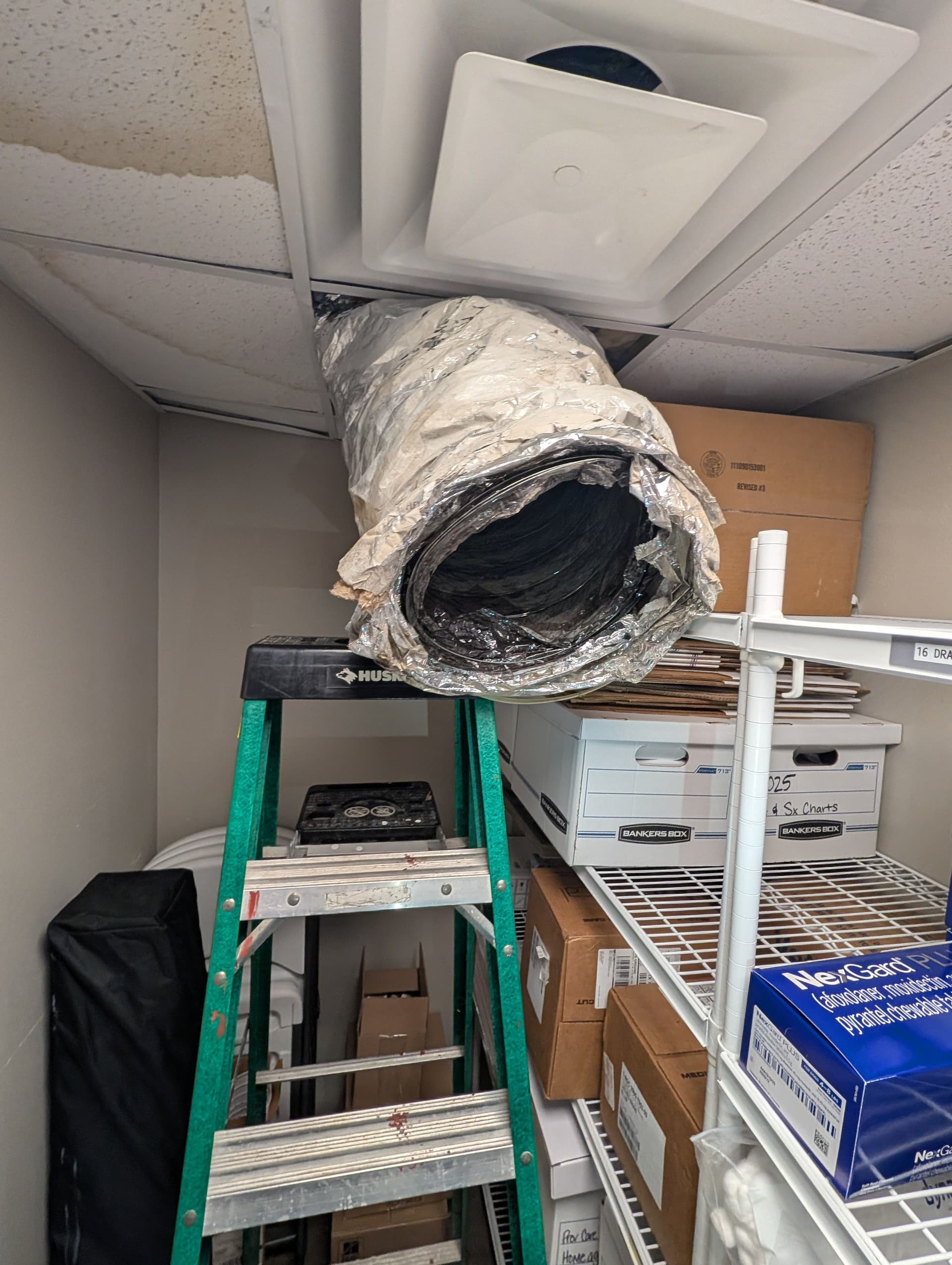
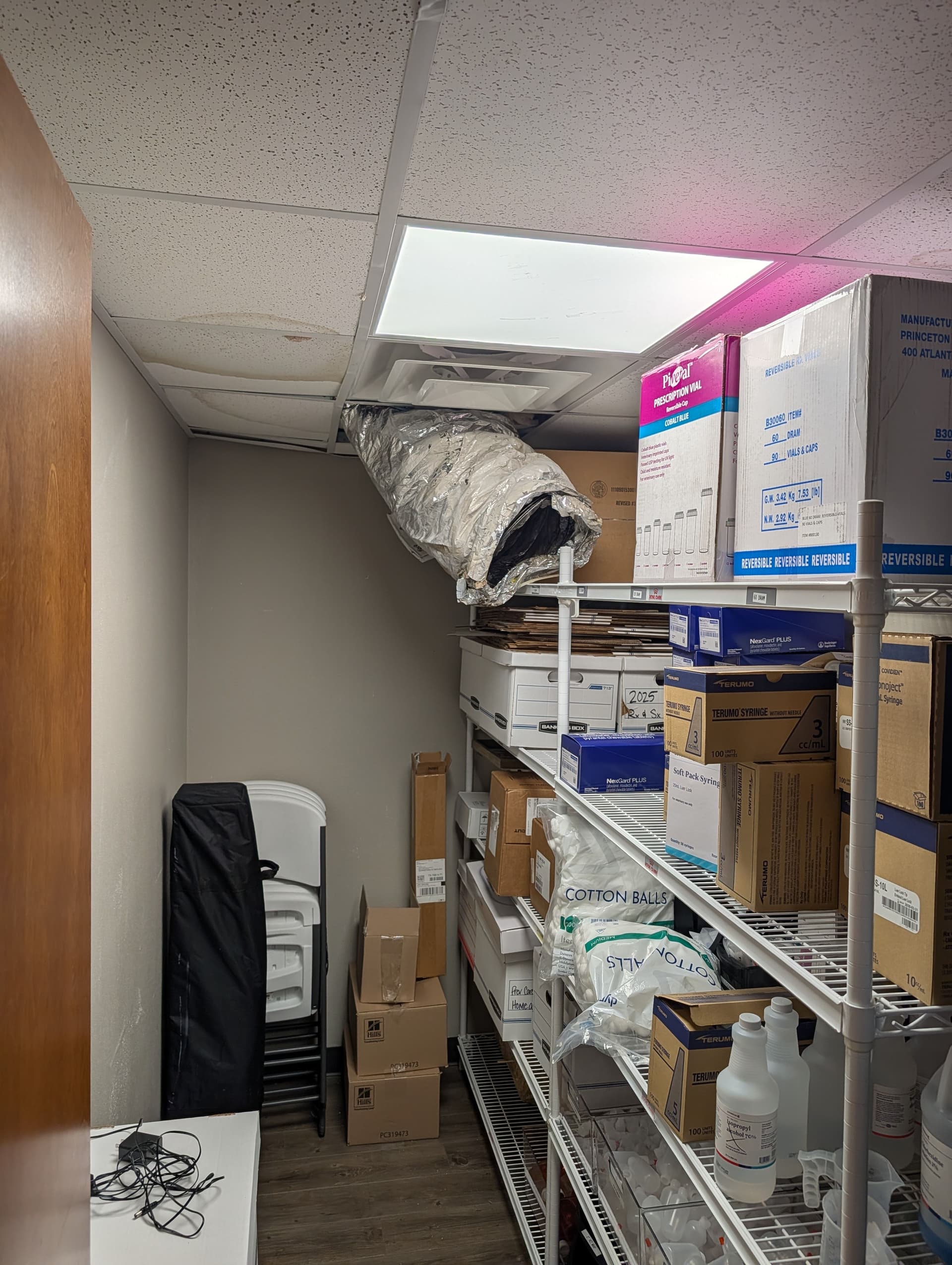
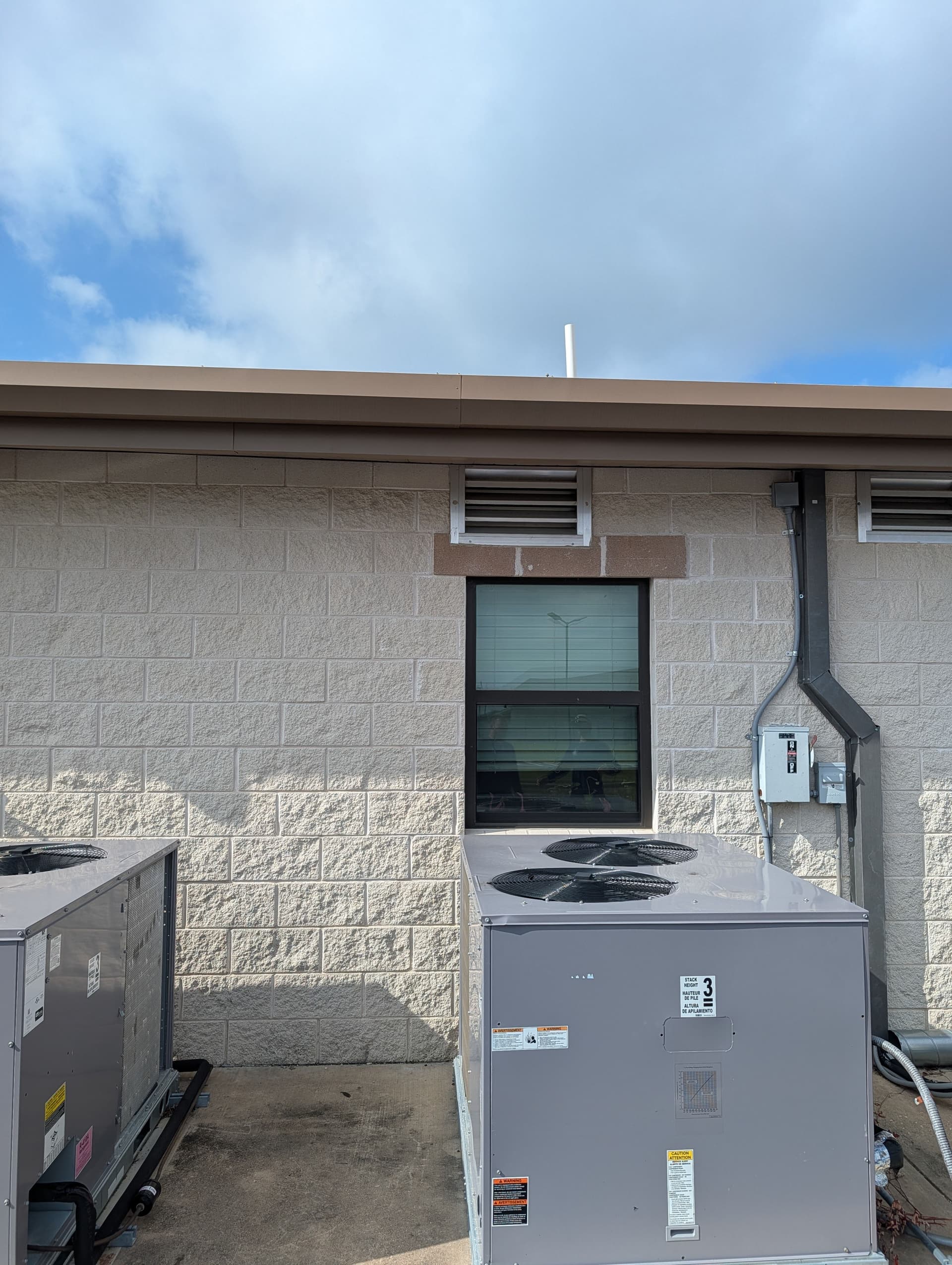
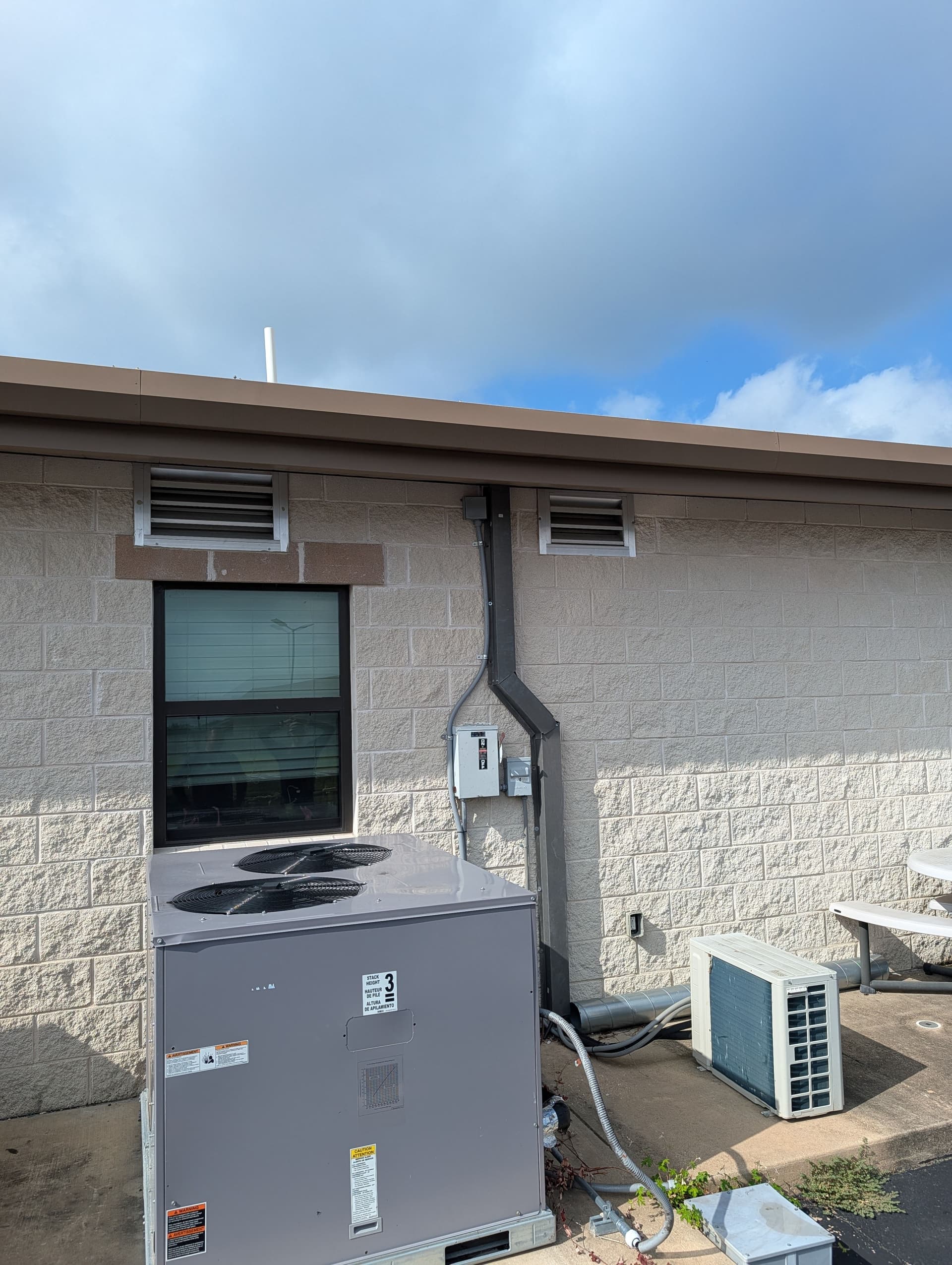
Bad airflow in a commercial building is one of those problems that sneaks up on you. One room is freezing, another is stuffy, energy bills keep climbing, and nobody can figure out why. Nine times out of ten, the ductwork is pulling air from somewhere it shouldn't be - and that unconditioned air is making its way straight into your occupied spaces.
That's exactly what we were dealing with here. A flexible duct that had completely separated from its connection point - just hanging open inside a storage room, dumping conditioned air into the wrong space entirely. That kind of failure doesn't just hurt comfort. It tanks indoor air quality, forces your system to work harder than it needs to, and puts real strain on your equipment over time.
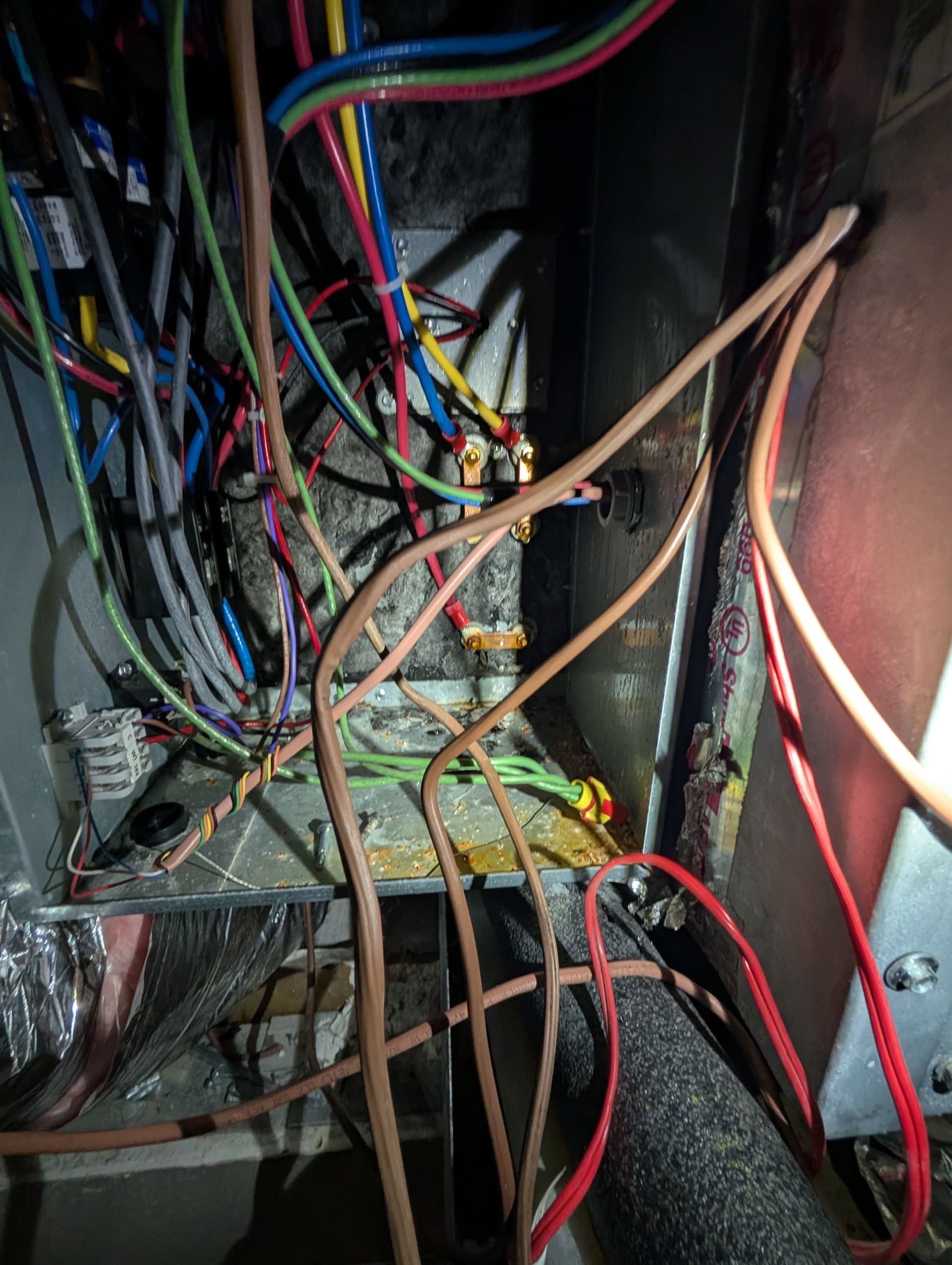
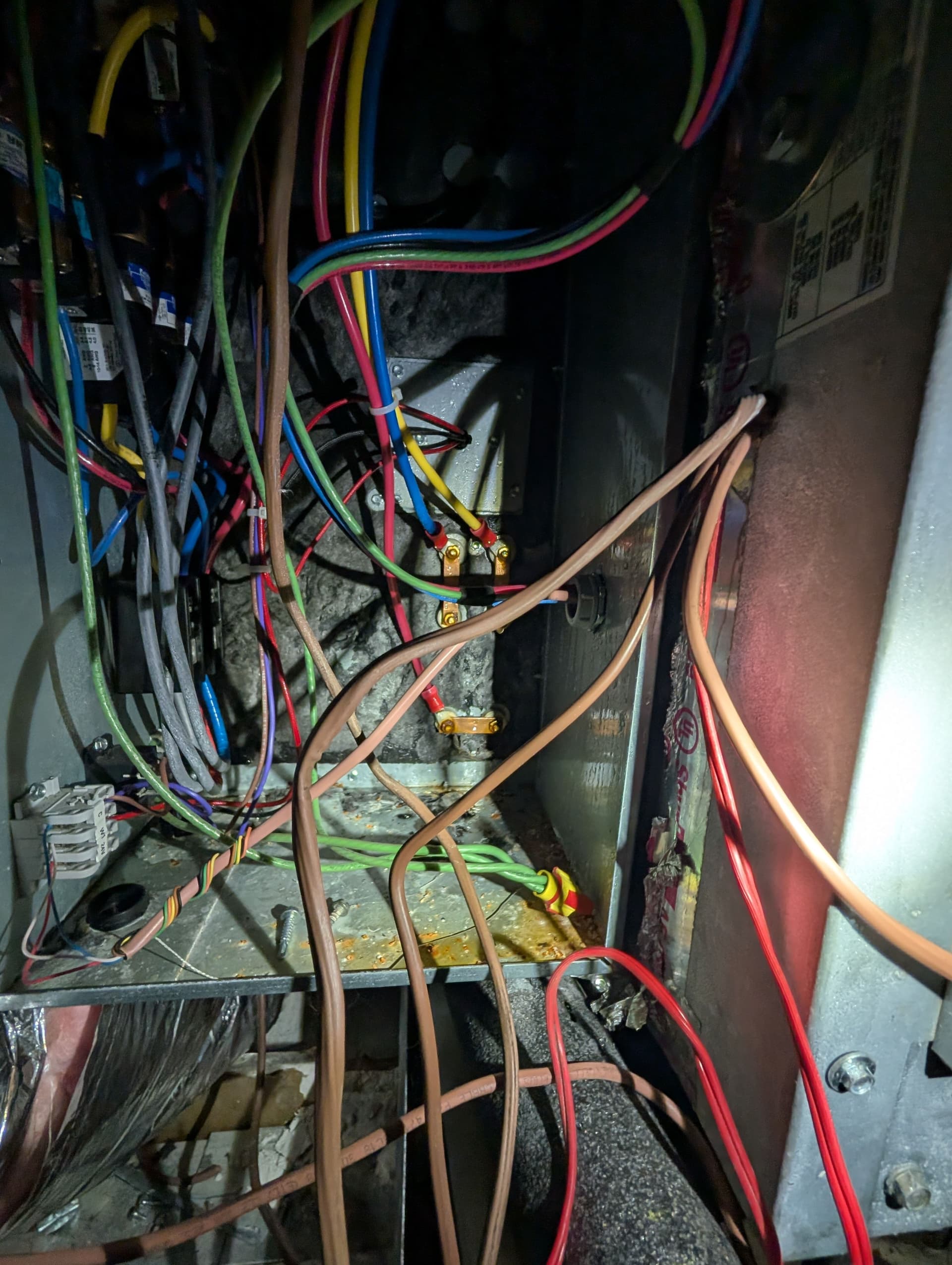
Beyond the duct issue, we also had a close look at the electrical side of the system. Commercial HVAC units carry a lot of wiring - control wires, power feeds, low-voltage connections - and when a system has been patched or added to over the years, that wiring compartment can get messy fast. Diagnosing issues in there takes patience and a good understanding of how these systems are put together. Skipping that step means you're guessing, and guessing in commercial HVAC gets expensive.
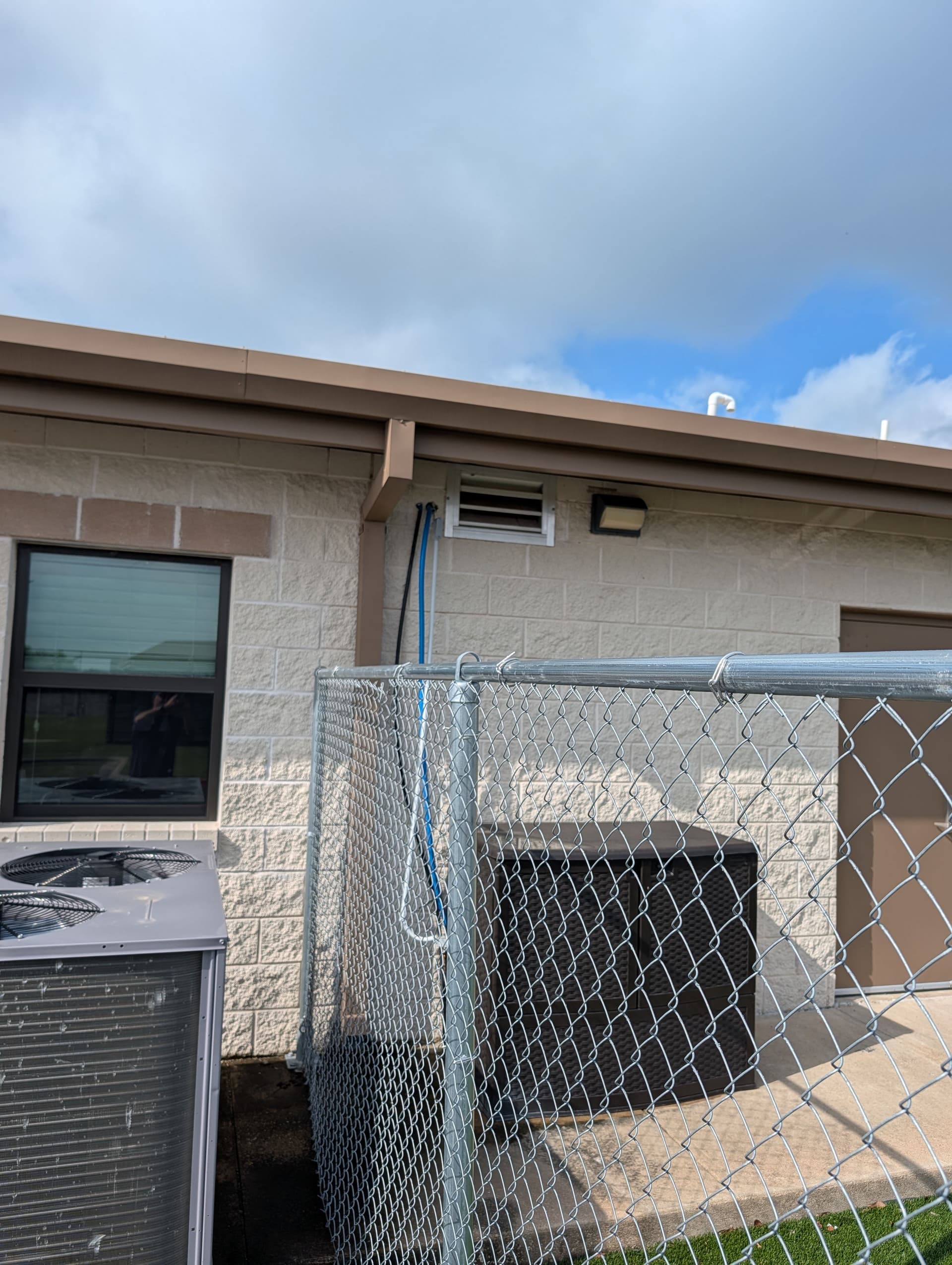
The exterior equipment tells its own story too. Multiple condensing units serving a single building means each zone needs to be balanced and functioning correctly. If one unit is struggling - whether from a duct leak, an electrical fault, or just deferred maintenance - the whole system feels it. We trace the problem all the way from the equipment outside to where the air actually ends up inside, because that's the only way to actually fix it.
Commercial buildings can't afford to let HVAC issues drag on. Staff comfort, indoor air quality, and equipment lifespan all take a hit when airflow is compromised. If something feels off in your building - uneven temps, weak airflow, unusually high energy costs - that's worth looking into sooner rather than later.