Commercial RTU Service - Bad drain circuits worn parts and clogged filters
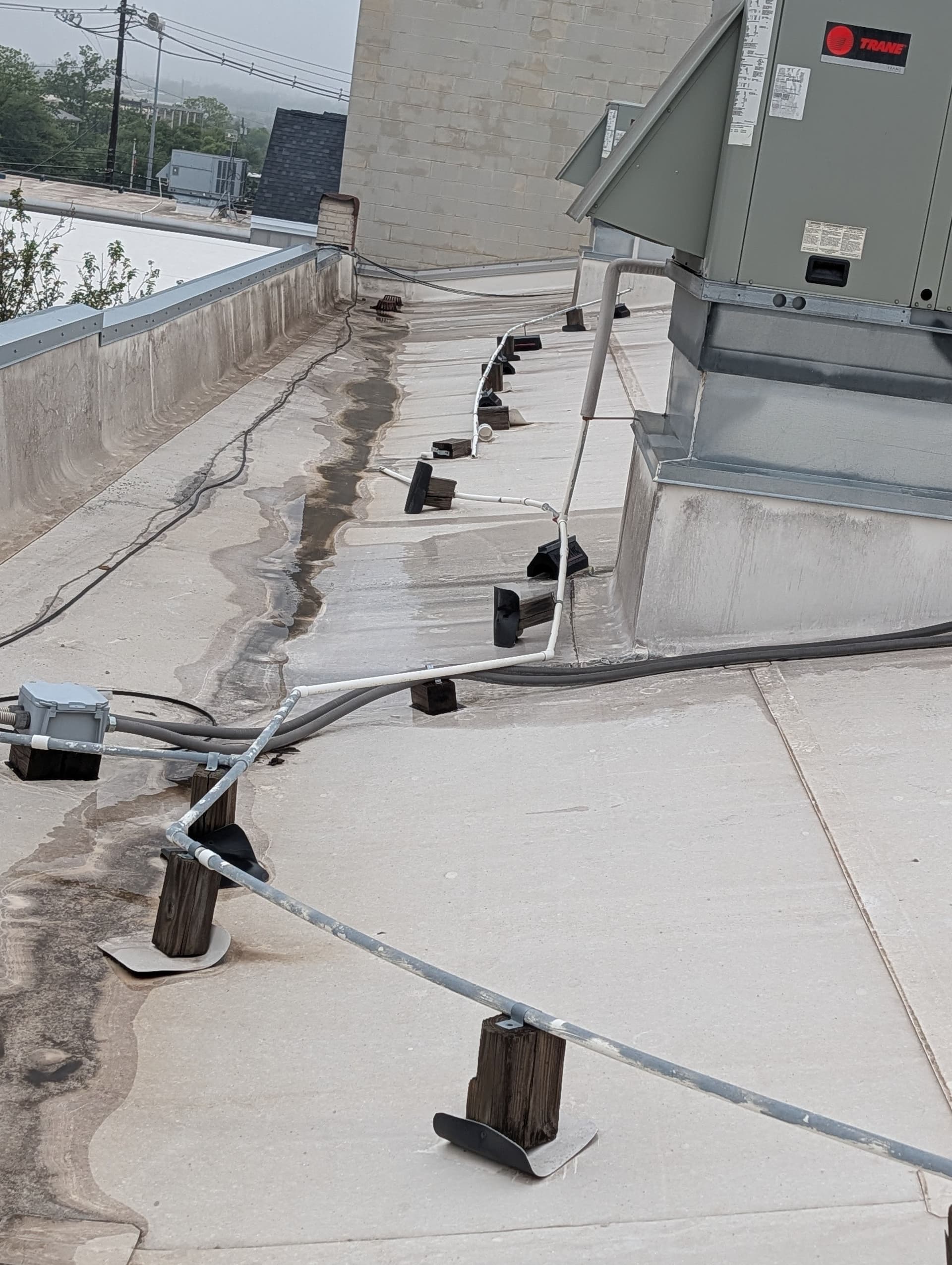
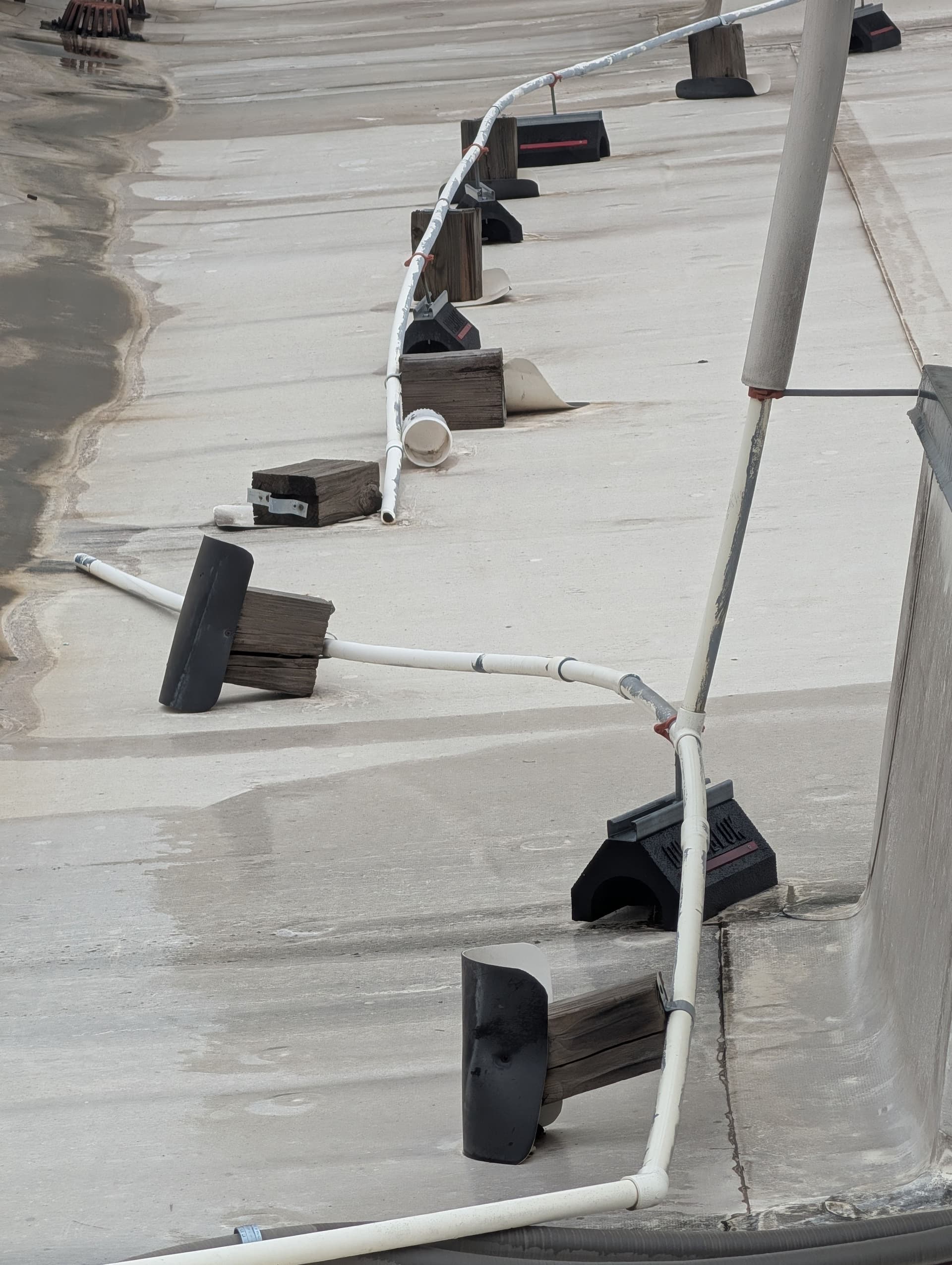
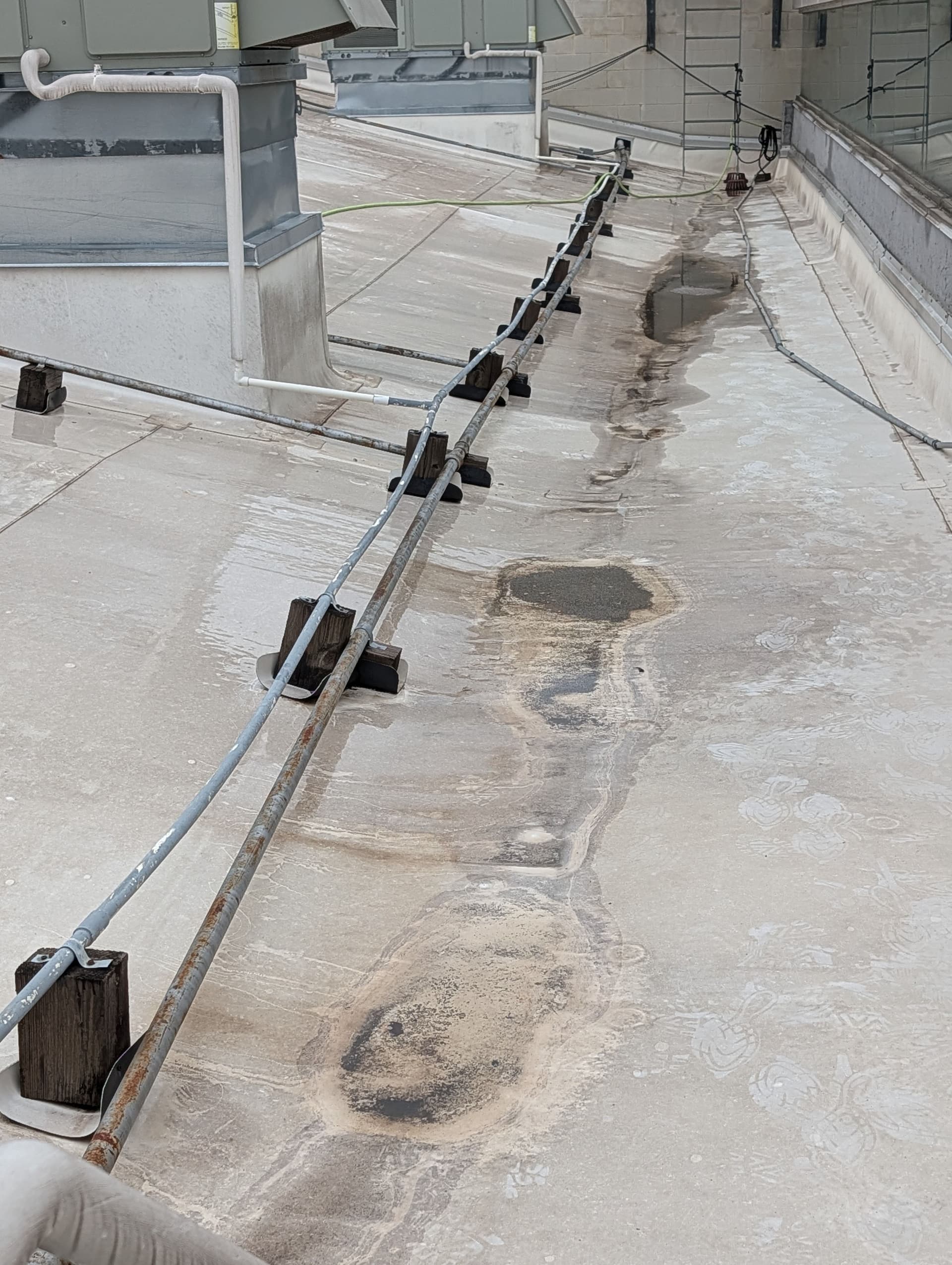
When a commercial rooftop unit isn't set up right from the start, it doesn't just underperform - it causes damage. That's exactly what we were dealing with on this job. The drain circuits had been improperly installed, and water was pooling and leaking as a result. Left alone, that kind of issue works its way into the building and gets expensive fast.
Getting up on the roof and tracing the problem is step one. The drain line routing was off, and it was causing water to back up instead of drain away from the unit the way it's supposed to. We corrected the circuit setup to get things draining properly. It's the kind of fix that doesn't look like much once it's done, but it makes a real difference in how long the system and the building hold up.
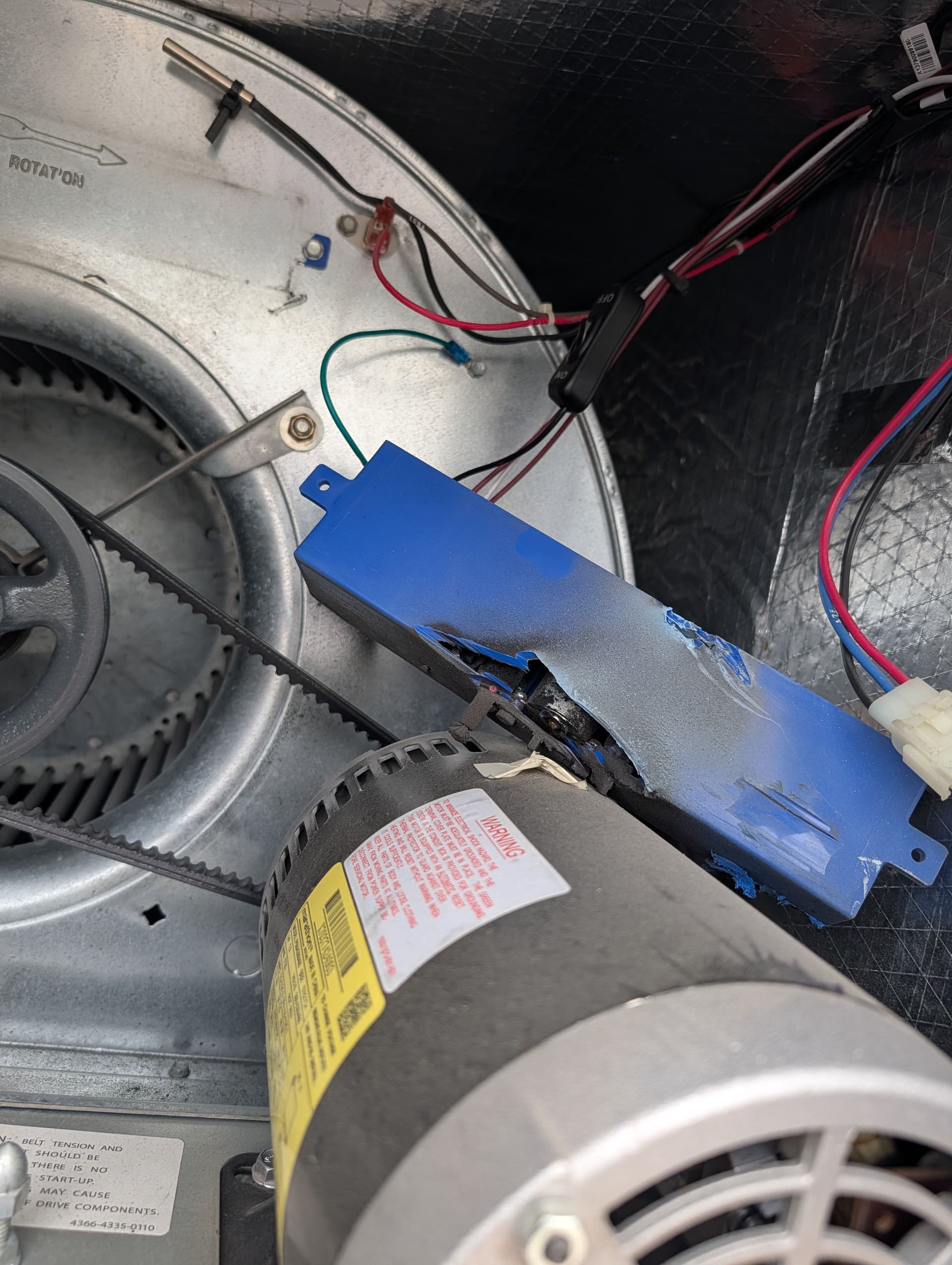
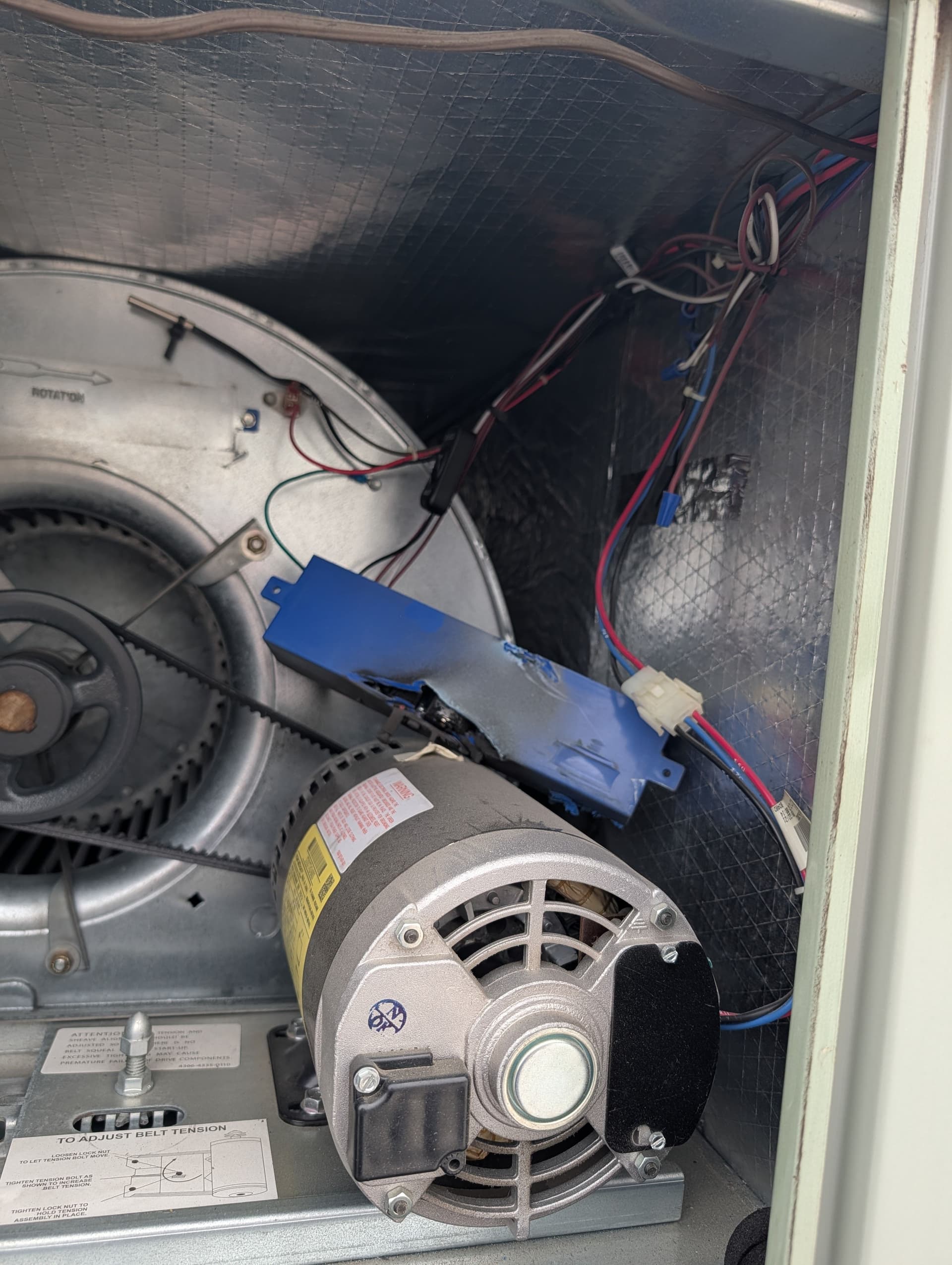
Inside the unit, we found more to deal with. The blower motor assembly showed visible wear, and components that were clearly past their prime. Things like that don't fail on a convenient schedule - they go out on the hottest day of the year when you need the system most. Part of any solid A/C maintenance visit is catching that wear before it turns into an emergency call.
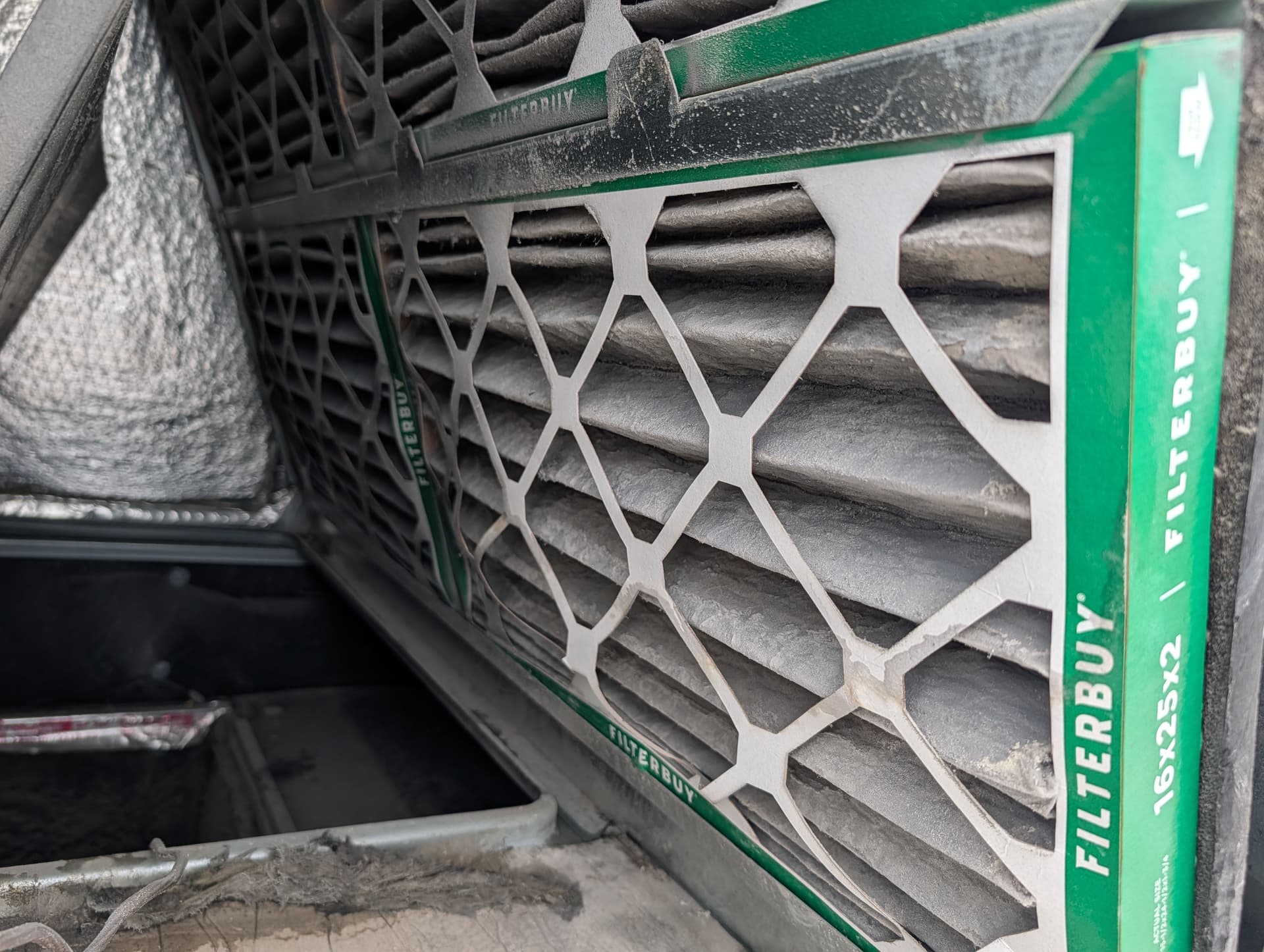
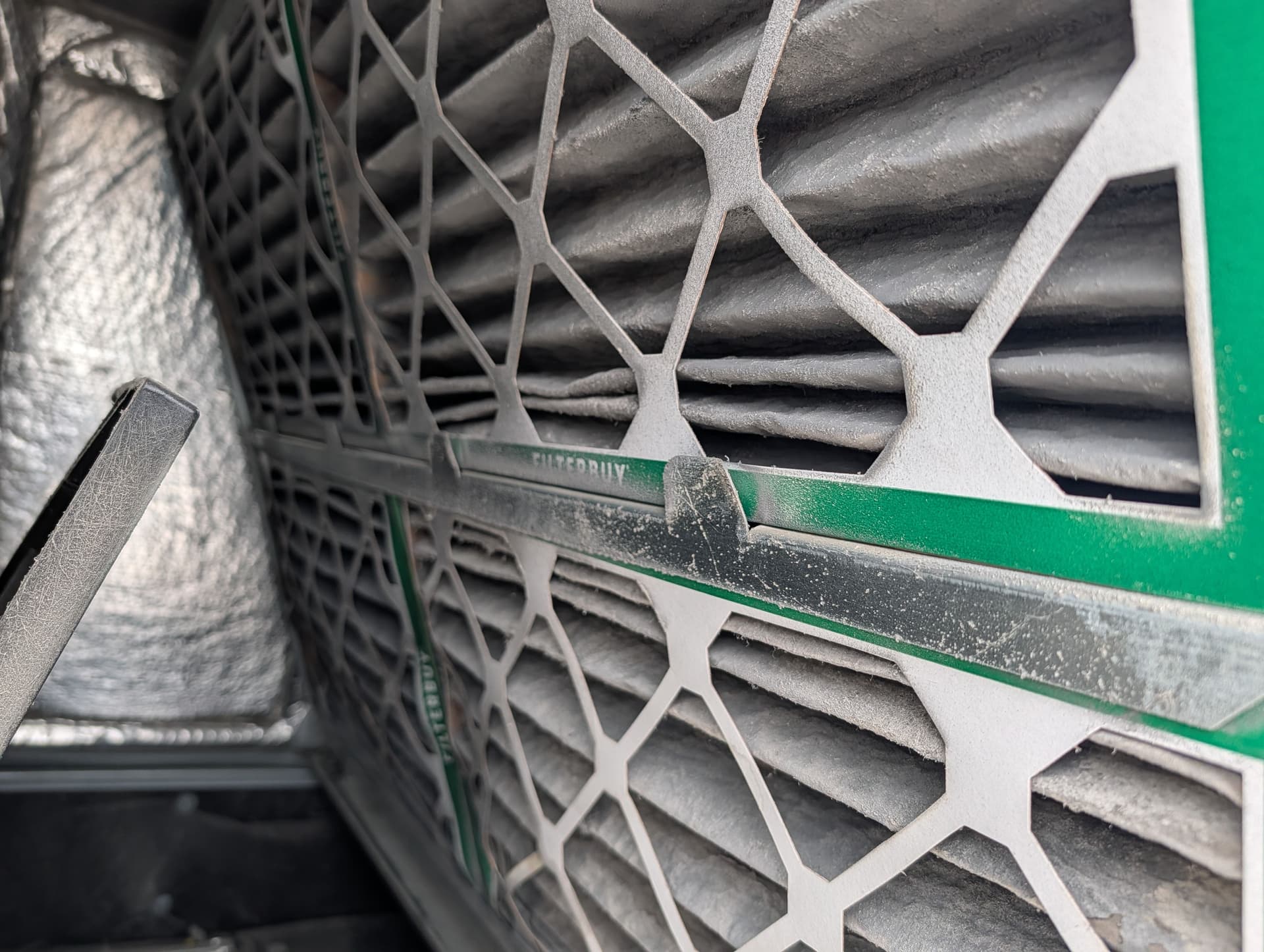
The filters were completely choked with debris. A clogged filter doesn't just hurt air quality - it forces the system to work harder, drives up energy costs, and puts extra strain on every other component inside the unit. Filter condition is one of the simplest things to stay on top of, but it gets overlooked more often than it should, especially on rooftop equipment that's out of sight and out of mind.
Commercial systems take a beating. They run hard, they're exposed to the elements, and they don't always get the attention they need until something breaks. Regular maintenance - drain line checks, filter changes, component inspections - is what keeps small issues from becoming major ones. If you've got a commercial system that hasn't been looked at in a while, it's worth getting eyes on it.