HVAC Condensate Drainage Issue Caught Before It Caused Real Damage
Most people don't think about their condensate drain until something goes wrong - and by then, water has already found its way somewhere it shouldn't be. That's the thing about condensate issues. They start small. A slow drain here, a little buildup there. Then one day you've got water damage, mold growth, or a unit that's working twice as hard as it should be.
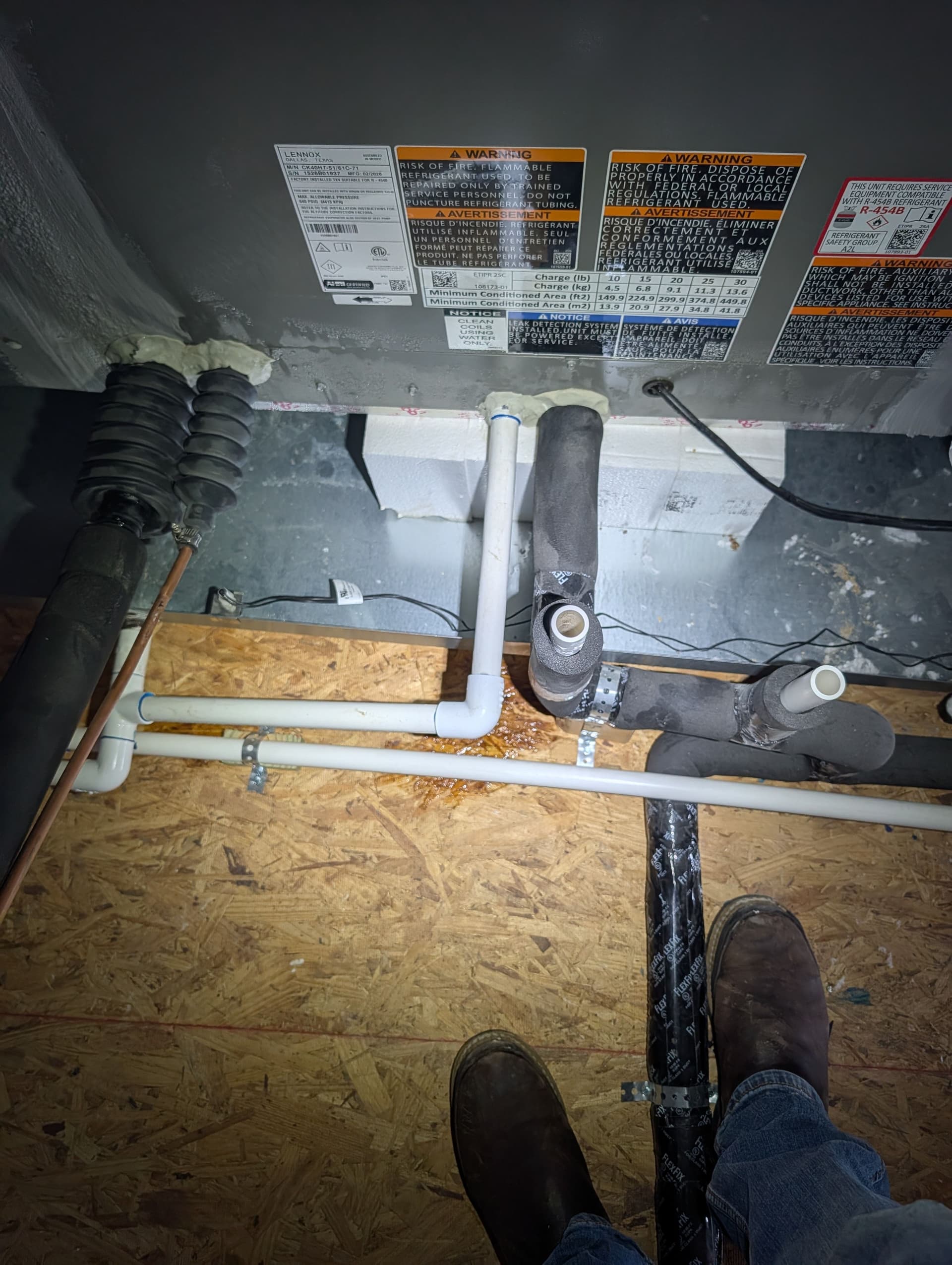
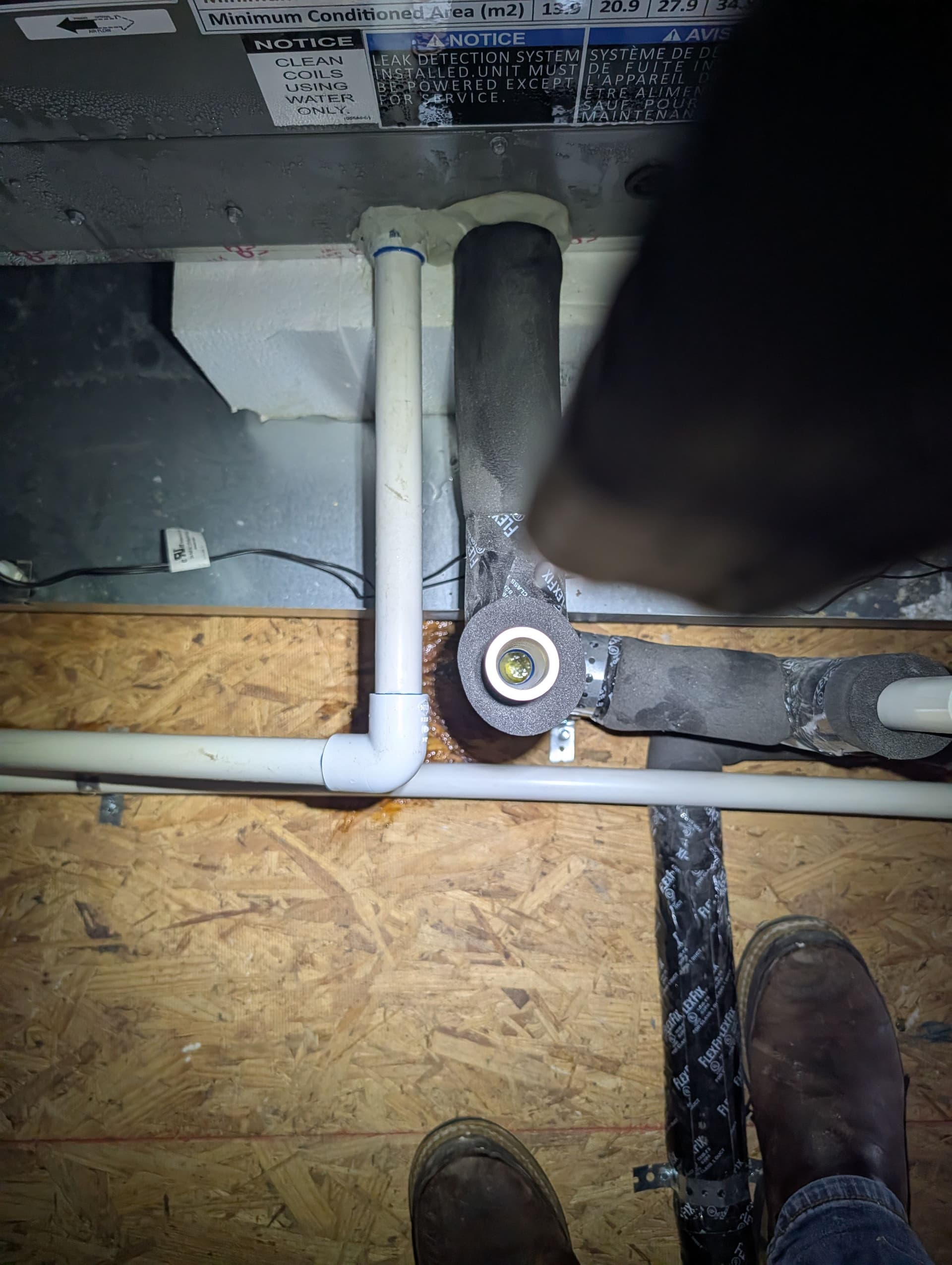
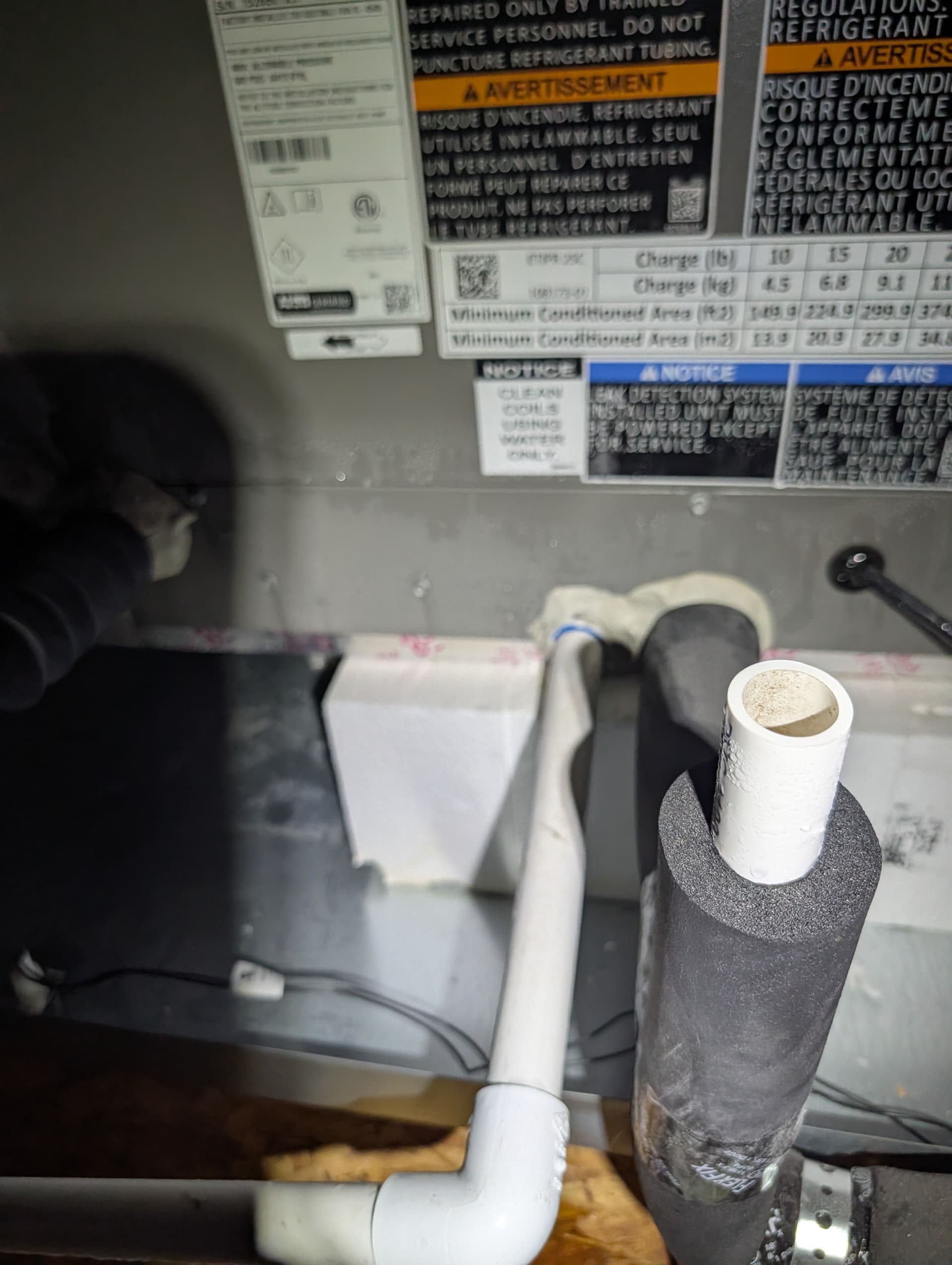
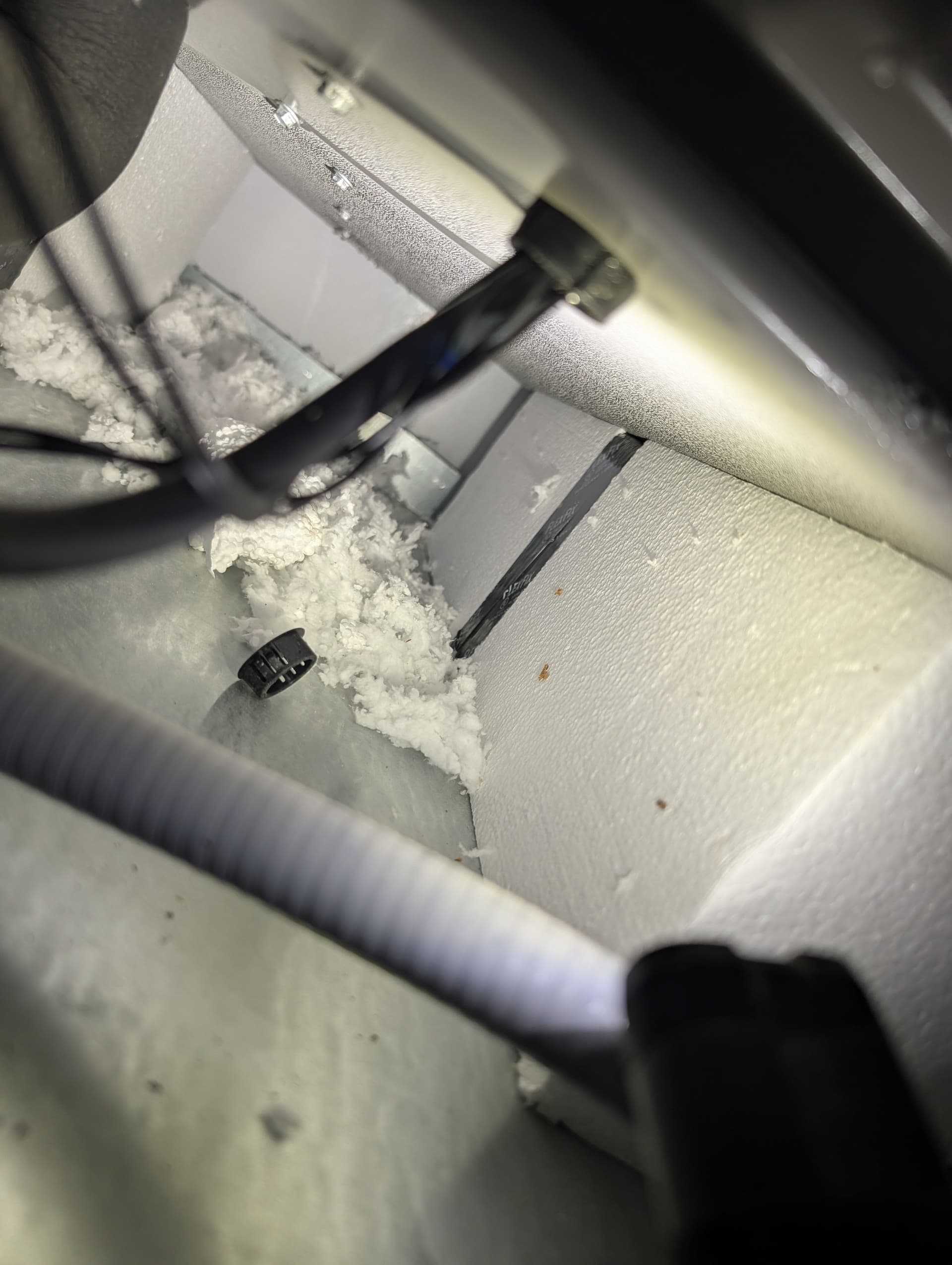
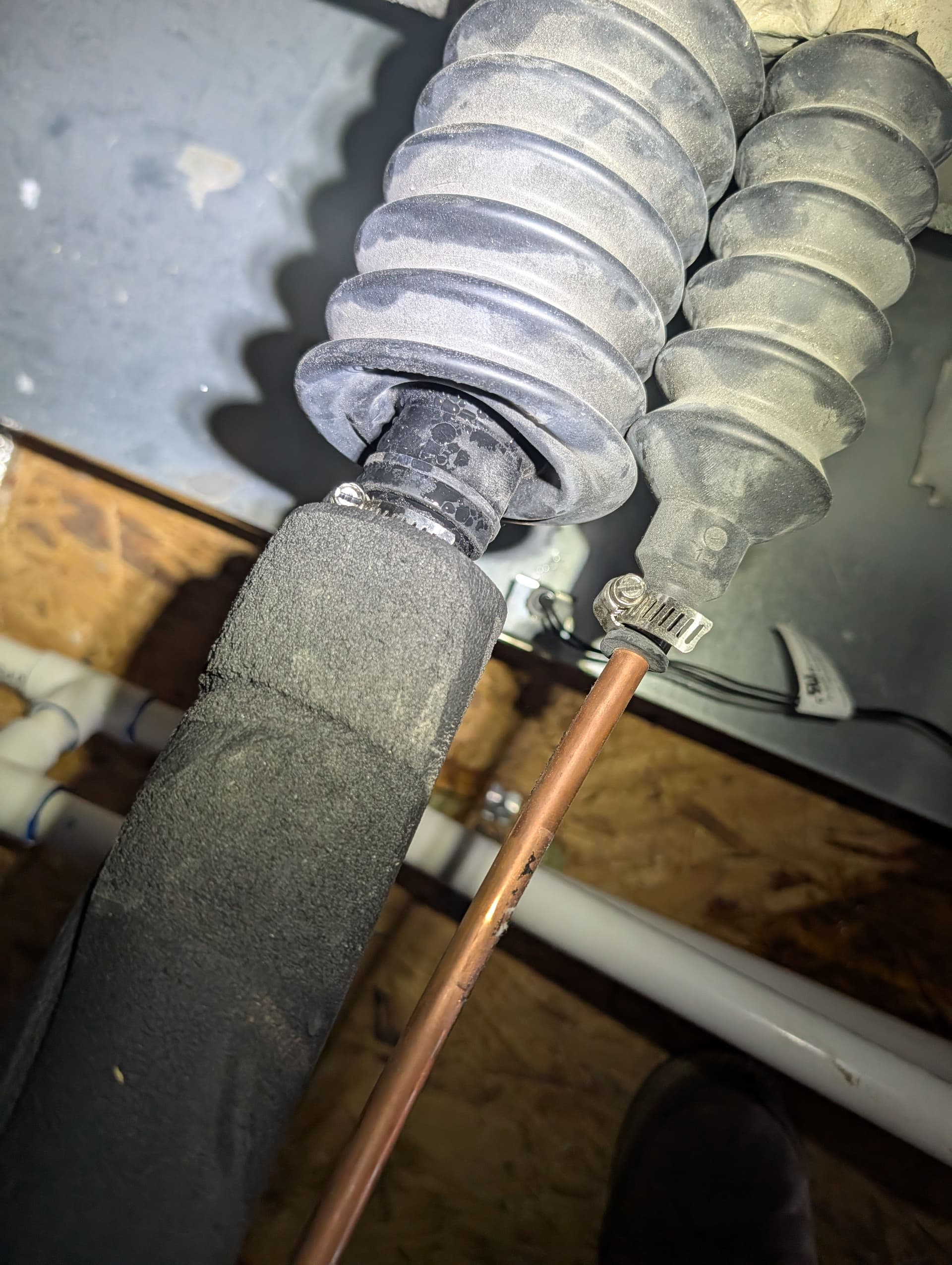
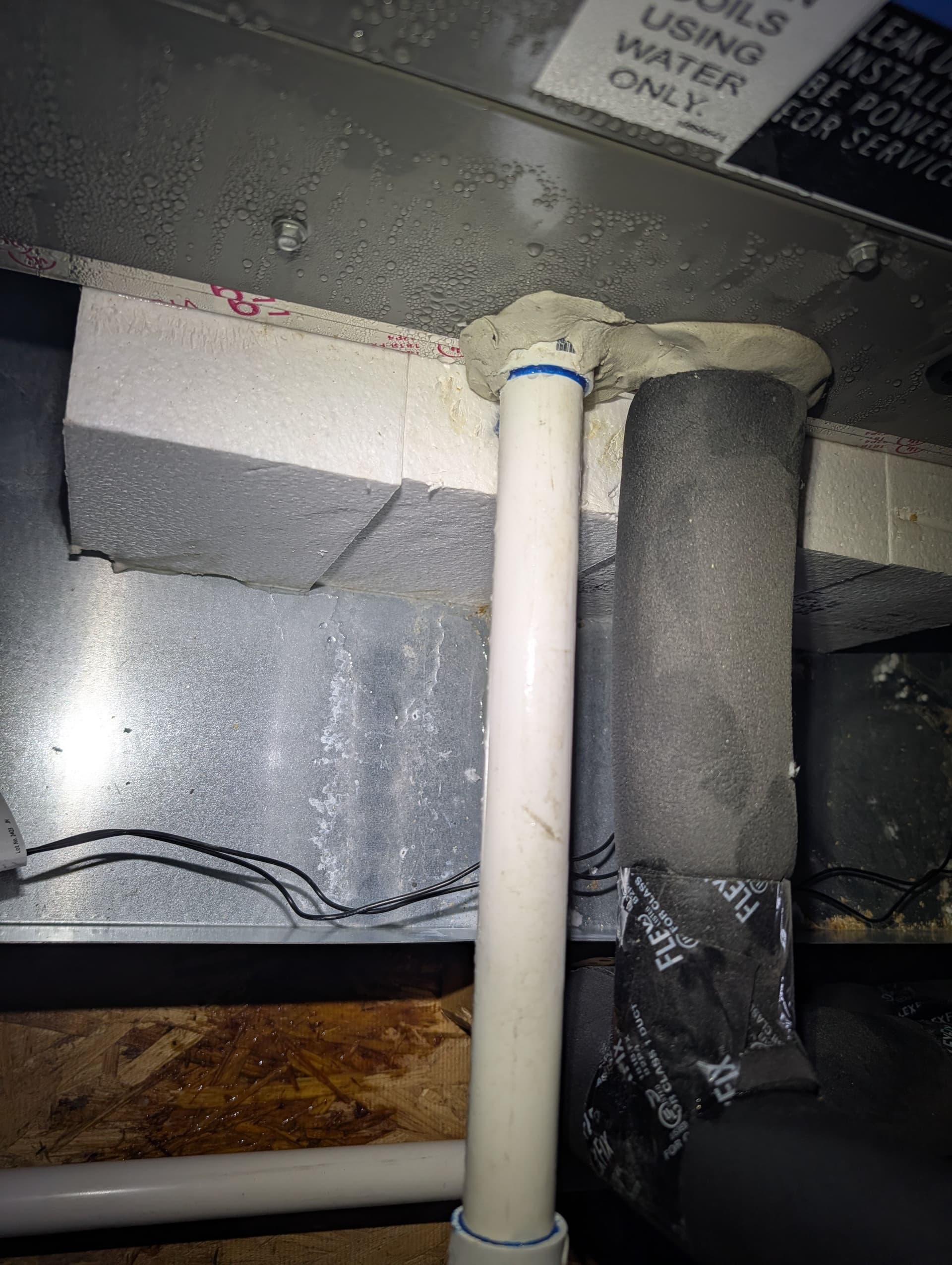
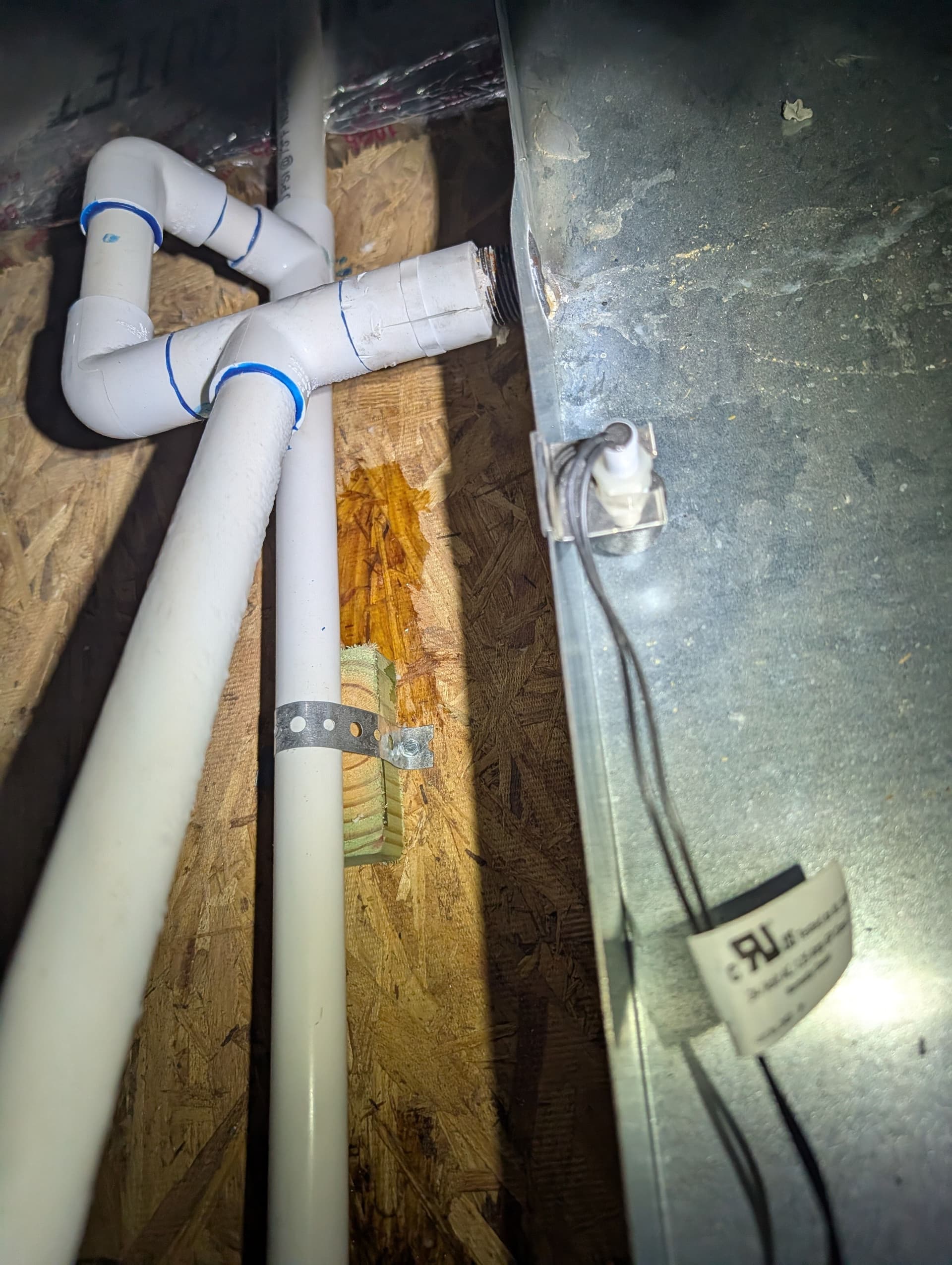
Here's what we were working with on this one - a Lennox system with condensate drainage that wasn't functioning properly. The drain pan had residue buildup, and the PVC condensate lines showed clear signs that water wasn't moving through the system the way it was designed to. We also spotted freezing inside the unit, which is a classic sign that something is off with airflow or refrigerant - and it confirmed that this system needed more than just a quick look.
This is exactly the kind of thing a thorough A/C inspection catches before it turns into a major repair bill. We worked through the drainage setup, checked the line routing, and made sure everything was properly connected and flowing. A float switch was also in place on the unit - a key safety feature that shuts the system down if the drain pan fills up, protecting the home from water damage.
Condensate problems are sneaky. The system can still run while the issue quietly gets worse underneath. That's why regular A/C maintenance matters - not just checking that the system turns on, but actually getting into the components and verifying that drainage, refrigerant lines, insulation, and safety devices are all doing what they're supposed to do. Catching it early is always cheaper than dealing with the aftermath.