Loose AC Seams Are Quietly Wrecking Your System
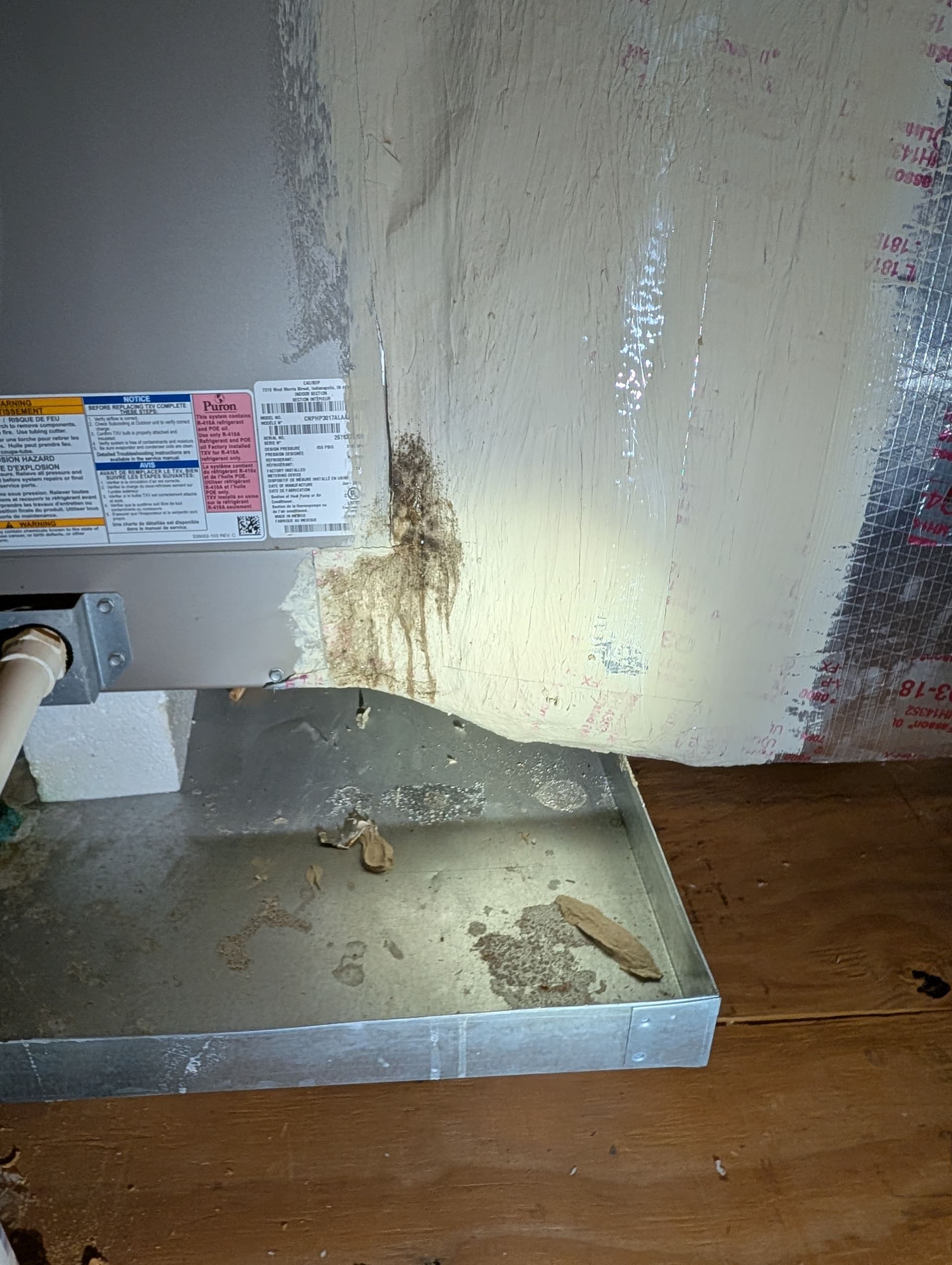
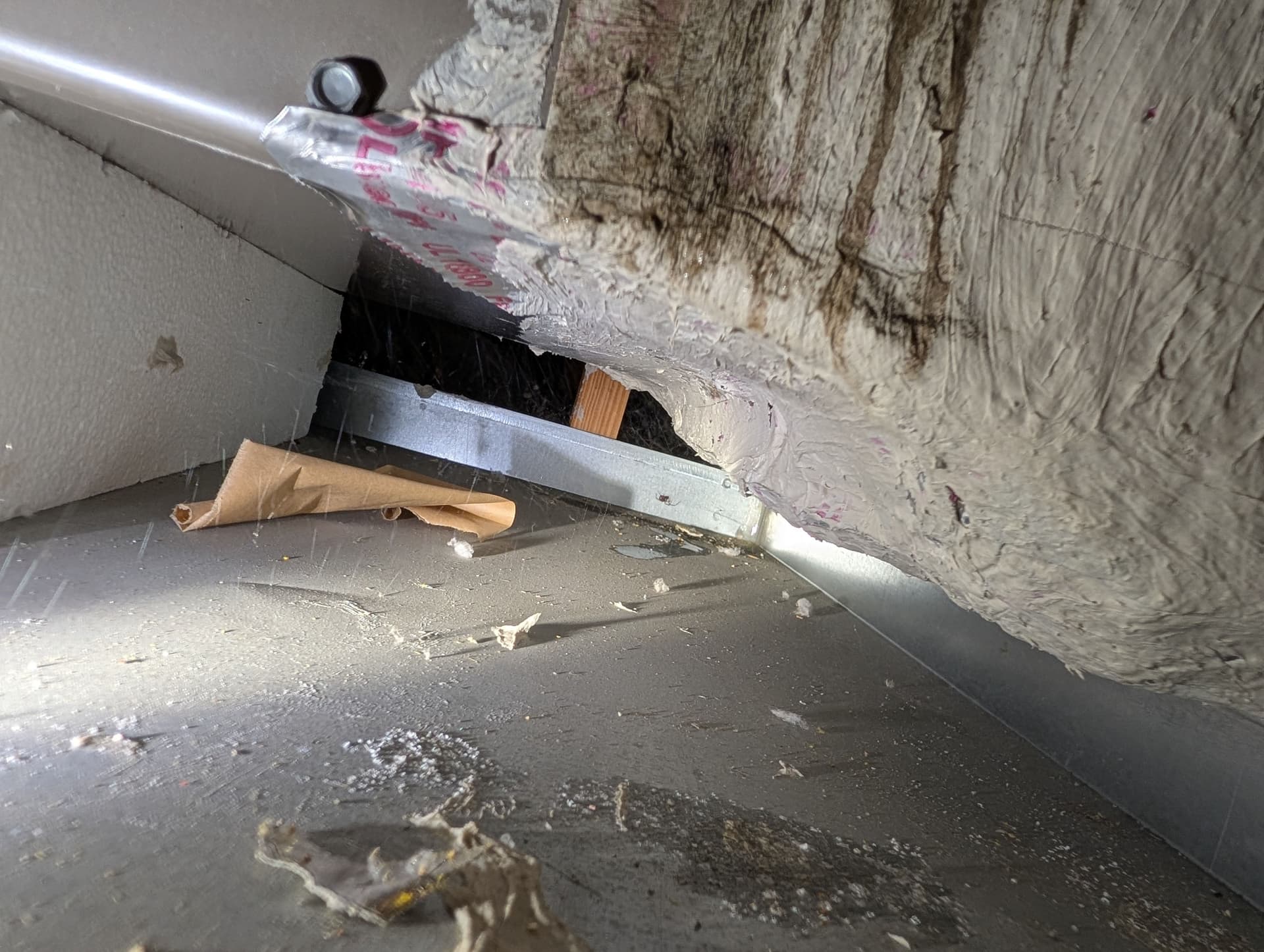
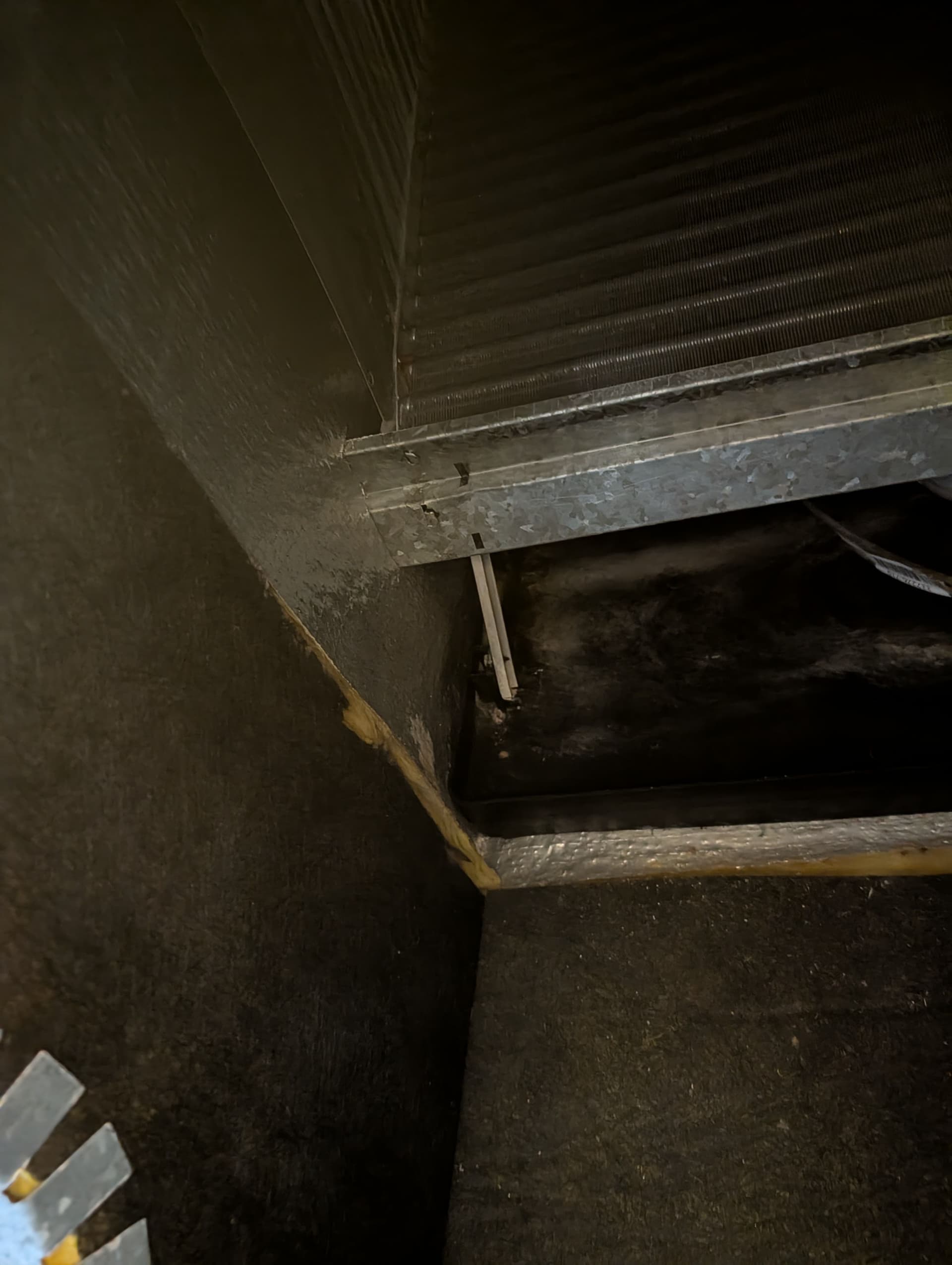
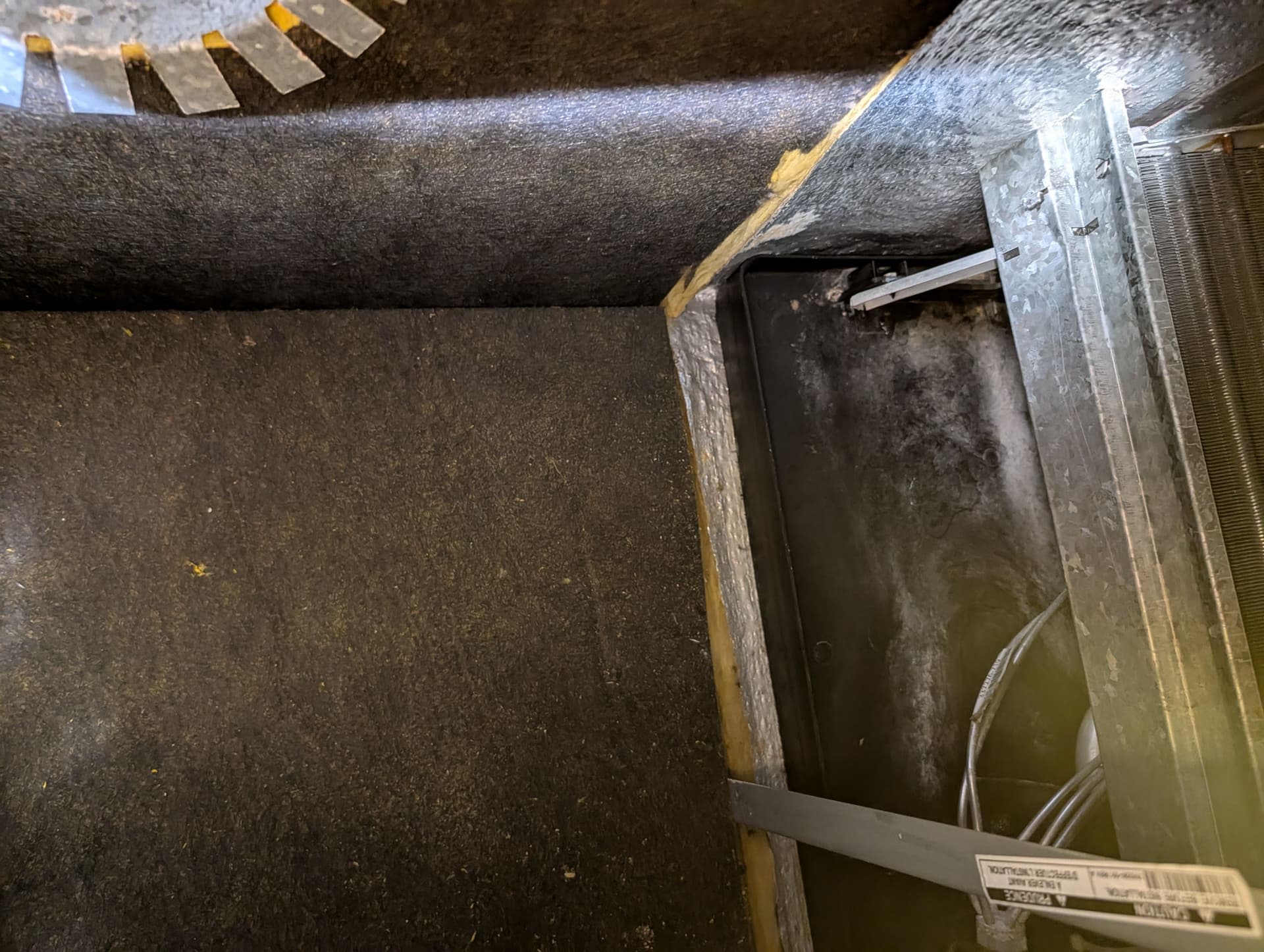
Most homeowners never see what's going on inside their AC system until something goes wrong. By then, the damage is already done. Loose seams, failing connections, and moisture buildup don't announce themselves - they just quietly get worse until you're dealing with water stains, mold, or a system that can't keep up no matter how low you set the thermostat.
Here's what we're dealing with on calls like this. Rust-colored staining streaking down the air handler cabinet. Standing debris in the drain pan. Gaps at duct connections where conditioned air is escaping - and outside air is sneaking in. The insulation inside the plenum is dark and contaminated. This is what years of small, unaddressed issues look like when you finally open things up.
A gap in a seam sounds minor. It isn't. Unconditioned air pulling into the system throws off pressure, makes your equipment work harder, and creates moisture conditions that lead to mold growth inside the ductwork itself. That's the air your family is breathing every day. A thorough A/C inspection catches these things before they spiral into something far more expensive to fix.
We go through the whole system - air handler, plenum connections, drain pan, coil condition, and airflow - not just a quick filter swap and a handshake. That's what a real A/C maintenance visit looks like. If something is failing, we'd rather find it and tell you about it now than have you find out about it when your ceiling is wet.
If your system has been running harder than usual, if rooms aren't cooling evenly, or if you've noticed any moisture around the unit - don't wait on it. These are early signs that something inside the system needs attention. Getting eyes on it sooner is almost always cheaper than getting eyes on it later.